The Journey of Mindfulness: Transforming your Life for Better

In the hustle and bustle of our daily lives, it’s all too easy to lose sight of the profound impact that simple practices can have on our well-being. Today, we invite you to embark on a journey that has the potential to transform your life in ways you might never have imagined: the journey of mindfulness.
Mindfulness, often described as the art of being present and fully engaged in the moment, holds the key to unlocking a wealth of positive transformations within you. It’s not just another self-help trend; it’s a powerful, time-tested practice that has the potential to elevate every aspect of your life.
But what exactly is mindfulness, and why is it so significant? In this exploration, we’ll dive deep into the concept of mindfulness, uncovering its roots, its principles, and most importantly, its potential to spark profound personal growth and transformation.
Are you ready to discover how mindfulness can lead you on a path towards a more fulfilled, balanced, and vibrant life? Join us as we embark on this transformative journey together, where the power to improve your life lies within your own awareness.
Mindfulness Unraveled
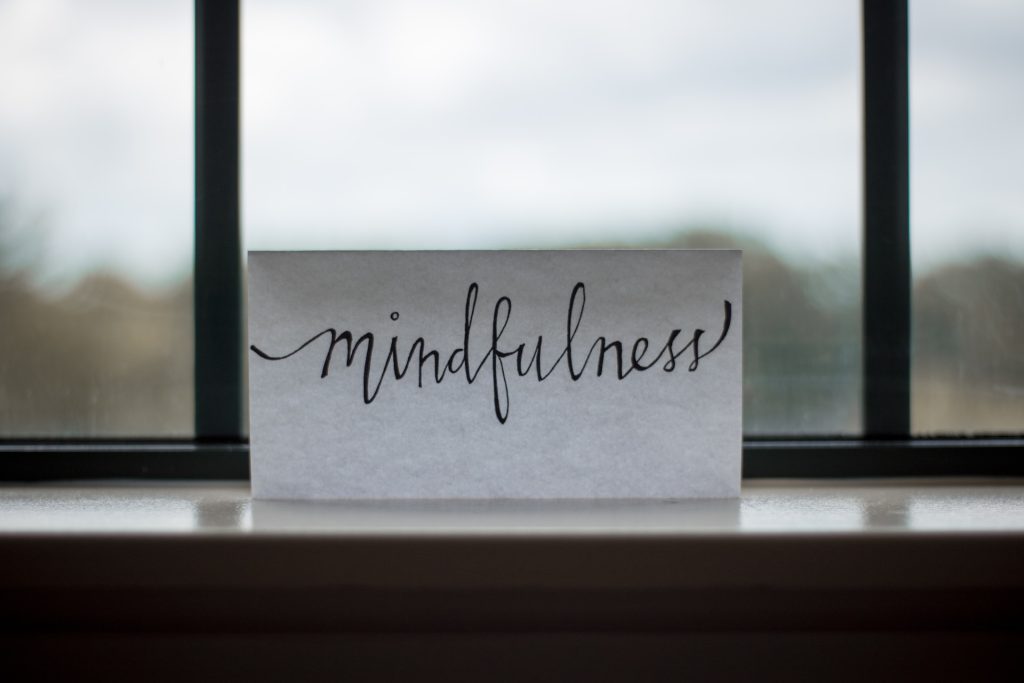
Exploring the Essence and Origins
Mindfulness, at its core, is a practice deeply rooted in ancient traditions, dating back thousands of years. It’s an art that encourages us to fully embrace the present moment, just as it is, without the distractions of the past or the anxieties of the future.
The origins of mindfulness can be traced to various contemplative traditions, including Buddhism and Hinduism. It was these traditions that first recognized the profound impact of mindfulness on the human experience. Over time, mindfulness has evolved and transcended cultural boundaries, becoming a practice that anyone, regardless of their background or beliefs, can benefit from.
Core Principles of Mindfulness
At the heart of mindfulness lie a few simple yet profound principles. One of the most fundamental is being fully present. This means allowing yourself to engage with the here and now, without the interference of regrets or worries. It’s about savoring the richness of each moment, whether it’s a sip of morning coffee or the feeling of sunlight on your skin.
Another key principle is non-judgmental awareness. In the practice of mindfulness, there is no right or wrong, no good or bad. Instead, there is an open and accepting attitude toward whatever arises in your mind or in your surroundings. It’s about observing your thoughts and emotions with curiosity and kindness, without attaching labels or criticism.
The Transformative Power of Mindfulness
So, why should you incorporate mindfulness into your daily life? The benefits are manifold and extend across every facet of your existence. By practicing mindfulness, you can:
- Reduce Stress: Mindfulness has been scientifically proven to lower stress levels, helping you navigate life’s challenges with greater ease.
- Enhance Emotional Well-being: It empowers you to better understand and manage your emotions, fostering a sense of inner peace and emotional resilience.
- Improve Focus and Productivity: Through mindfulness, you can sharpen your concentration, leading to increased productivity and effectiveness in your tasks.
- Strengthen Relationships: By being fully present in your interactions, you can foster deeper connections and more meaningful relationships.
- Foster Self-Discovery: Mindfulness serves as a mirror to your inner self, revealing your true desires, values, and aspirations.
Incorporating mindfulness into your daily routine isn’t just a trend; it’s a life-enhancing practice with the potential to ignite positive transformations within you. Join us as we continue to explore the incredible journey that mindfulness can take you on, uncovering its practical applications and real-world impact.
Mindful Methods for Everyday Life

Exploring Practical Methods
Now that we’ve delved into the essence of mindfulness, it’s time to roll up our sleeves and explore the practical techniques that can help you cultivate this transformative practice in your daily life. Mindfulness isn’t a one-size-fits-all approach; it offers a diverse toolkit of techniques to suit different preferences and lifestyles.
1. Meditation: A Gateway to Inner Peace
Meditation is perhaps the most well-known and accessible mindfulness technique. It involves setting aside a few moments each day to sit quietly and focus your attention. Whether you choose to focus on your breath, a mantra, or the sensations in your body, meditation can calm the mind, reduce stress, and increase self-awareness. We’ll guide you through how to get started with meditation, making it an approachable and rewarding daily ritual.
2. The Power of Deep Breathing
Your breath is an ever-present anchor to the present moment. Deep breathing exercises can be done anytime, anywhere, and they provide immediate relief from stress and anxiety. We’ll share simple yet effective breathing techniques that can be seamlessly integrated into your daily routine, helping you stay centered and focused.
3. Body Scans: A Journey Within
A body scan is a form of mindfulness practice that involves directing your attention to different parts of your body. This technique fosters awareness of physical sensations and can help you identify areas of tension and release them. We’ll walk you through the steps of a body scan, allowing you to experience its calming and rejuvenating effects firsthand.
Incorporating Mindfulness into Your Daily Life
The key to reaping the rewards of mindfulness is consistency. To help you make mindfulness a part of your daily routine, we’ll provide practical tips on how to seamlessly integrate these techniques into your busy life. Whether it’s dedicating a few minutes each morning to meditation, practicing mindful breathing during your commute, or incorporating body scans before bedtime, you’ll discover that mindfulness can be woven into the fabric of your day.
Immediate and Long-Term Benefits
The effects of mindfulness are not confined to the cushion or mat; they extend into your daily experiences and long-term well-being. Through regular practice, you can expect to:
- Experience Immediate Calm: Mindfulness techniques offer a refuge of tranquility in the midst of life’s chaos, allowing you to respond to stressors with grace and composure.
- Enhance Mental Clarity: Clarity of thought and improved decision-making emerge as you learn to quiet the mental chatter through mindfulness.
- Boost Resilience: Over time, you’ll notice increased resilience in the face of life’s challenges, bouncing back from setbacks with greater ease.
- Cultivate Inner Growth: As your mindfulness journey unfolds, you’ll embark on a path of self-discovery and personal growth, unlocking your full potential.
As we delve into these mindfulness techniques and their practical applications, remember that the power to transform your life for the better is in your hands. The journey has only just begun, and the benefits you’ll experience are not only immediate but will continue to unfold as you embrace mindfulness as a way of life.
Balancing Stress and Emotions Mindfully

Unlocking Inner Serenity
In the modern world, stress has become an unwelcome companion in our daily lives, often accompanied by its close friend, anxiety. But fear not, for mindfulness offers a path to not only reduce these emotional burdens but to transform how you relate to them.
Reducing Stress and Anxiety
Mindfulness serves as a soothing balm for the turbulent waters of stress and anxiety. By cultivating awareness of your thoughts and feelings without judgment, you can observe stressors and anxious thoughts as passing clouds rather than overwhelming storms. In this section, we’ll explore how mindfulness techniques can dial down the volume of stress and anxiety in your life, leaving you with a newfound sense of calm.
Enhancing Emotional Regulation and Resilience
Mindfulness isn’t just about reducing stress; it’s also about building emotional resilience. Through mindfulness, you gain the ability to respond to life’s challenges with greater emotional balance and composure. You’ll find yourself less reactive and more capable of navigating difficult situations with grace.
Real-Life Transformations Through Mindfulness
To illustrate the profound impact mindfulness can have on emotional well-being, we’ll share real-life stories of individuals who have undergone remarkable emotional transformations. From managing chronic anxiety to finding solace in the face of adversity, these stories serve as inspiring testaments to the power of mindfulness.
Take, for example, Sarah, a high-powered executive constantly battling stress and anxiety in her demanding job. Through a daily mindfulness practice, she learned to ground herself in the present moment, gaining the clarity needed to make informed decisions under pressure. Her journey is a testament to how mindfulness can empower individuals to conquer their internal storms and find tranquility even in the most challenging circumstances.
Or consider Mark, who struggled with anger issues that strained his relationships. By embracing mindfulness, he developed the tools to pause and reflect on his emotions before reacting impulsively. As a result, he not only improved his relationships but also discovered a profound sense of inner peace he had never known.
These real-life examples highlight the transformative potential of mindfulness when it comes to stress reduction, emotional regulation, and building resilience. As we delve deeper into this practice, you’ll find that the journey of self-discovery and emotional transformation through mindfulness is not only possible but profoundly rewarding.
Mindful Living Unveiled

Extending Mindfulness to Daily Activities
Mindfulness isn’t limited to meditation sessions or moments of stillness. It’s a way of life that can permeate every aspect of your daily routine. In this section, we’ll explore how you can infuse mindfulness into your everyday activities, from the moment you wake up to the time you lay down to sleep.
Mindful Eating: Savoring Every Bite
One of the most tangible ways to practice mindfulness is through mindful eating. Instead of rushing through meals or mindlessly consuming food, this practice encourages you to savor each bite, engaging all your senses. We’ll guide you on how to eat with awareness, fostering a healthier relationship with food and a greater appreciation for nourishment.
Mindful Communication: Deepening Connections
Mindfulness extends to your interactions with others. Mindful communication involves being fully present and attentive when talking and listening. By practicing this form of communication, you can improve your relationships, resolve conflicts more effectively, and foster a sense of genuine connection with others.
Daily Mindfulness Rituals
Discover how to incorporate mindfulness into everyday activities such as walking, showering, and even commuting. These simple adjustments can transform mundane moments into opportunities for reflection and presence.
The Path to Greater Fulfillment and Happiness
Embracing mindful living can lead to profound changes in your overall well-being. When you are fully present in each moment, you’ll find that life becomes richer and more meaningful. Mindful living allows you to:
- Experience Joy in the Present: By savoring each moment, you’ll find happiness in the everyday, whether it’s the warmth of the sun on your face during a morning walk or the laughter of a loved one.
- Reduce Anxiety About the Future: Mindfulness helps you let go of worries about what might happen tomorrow and focus on what you can do today.
- Improve Relationships: Mindful communication fosters deeper connections and empathy, leading to healthier, more satisfying relationships.
- Enhance Productivity: Mindful work habits can boost your focus and productivity, making you more efficient and effective in your tasks.
- Find Contentment in Simplicity: You’ll realize that happiness doesn’t always lie in grand achievements but can be found in the small, everyday moments of life.
Incorporating mindfulness into your daily routine is not just a practice; it’s a way to unlock a more fulfilling and happier life. As we delve into the art of mindful living, you’ll discover how every moment, no matter how seemingly insignificant, can be an opportunity for growth, connection, and profound contentment.
Mindfulness: The Journey to Your Personal Transformation

Fostering Growth through Mindfulness
Mindfulness is not just a tool for reducing stress or improving well-being; it’s a catalyst for personal growth and self-discovery. In this section, we’ll explore how mindfulness is intimately connected to your journey of self-improvement.
Unlocking Self-Awareness
The foundation of personal growth is self-awareness, and mindfulness is your flashlight in the dark room of your inner world. By practicing mindfulness, you develop the ability to observe your thoughts, emotions, and behaviors without judgment. This heightened self-awareness becomes the cornerstone upon which you can build meaningful personal growth.
Understanding Your Goals and Aspirations
As you become more attuned to your inner landscape through mindfulness, you’ll gain clarity on your values, desires, and goals. This newfound understanding empowers you to set meaningful and authentic objectives for your life. Mindfulness helps you discern between goals driven by societal expectations and those aligned with your true self.
Stories of Personal Transformation
To illustrate the transformative power of mindfulness in personal growth, we’ll share inspiring stories of individuals who have embarked on this journey.
Meet Emily, a young professional overwhelmed by the demands of her career and personal life. Through mindfulness practices, she not only managed stress but also uncovered her passion for helping others. Emily’s journey led her to change her career path and find fulfillment in a purpose-driven role she would never have considered before.
Then there’s Alex, who struggled with self-doubt and a lack of confidence for years. Through consistent mindfulness meditation, he learned to challenge his negative self-talk and embrace self-compassion. As a result, Alex transformed from a person plagued by self-doubt into a confident, empowered individual who pursued his dreams without hesitation.
These stories are not isolated incidents but representative of the personal growth that can unfold when mindfulness is embraced as a way of life. By cultivating mindfulness, you can embark on a profound journey of self-discovery, personal development, and the realization of your full potential. The path may not always be easy, but it is undeniably rewarding, and it all starts with the present moment.
Embarking on the Journey of Mindfulness: Cultivating Mindful Relationships

Cultivating Deeper Connections
Mindfulness isn’t confined to personal growth in isolation; it extends its transformative touch to the realm of relationships and communication. In this section, we’ll explore how mindfulness can be a powerful catalyst for enhancing the quality of your connections with loved ones.
The Role of Mindfulness in Relationships
At its core, mindfulness in relationships means being fully present and engaged with the people in your life. It involves listening with your full attention, speaking with intention and compassion, and responding rather than reacting. Mindfulness provides the emotional intelligence necessary to navigate the complex terrain of human interactions.
Practicing Mindfulness with Loved Ones
Here are some practical tips for incorporating mindfulness into your relationships:
- Active Listening: Practice deep, attentive listening when your loved ones speak. Put away distractions, maintain eye contact, and truly hear what they’re saying.
- Empathetic Communication: Use mindful communication by choosing your words carefully, speaking from a place of empathy and understanding, and avoiding knee-jerk reactions.
- Presence in Moments Together: Whether it’s a shared meal or a quiet evening at home, be fully present with your loved ones. Put aside digital devices and distractions to savor these moments.
- Mindful Conflict Resolution: When disagreements arise, approach them mindfully. Take a breath, step back, and consider the other person’s perspective. Respond thoughtfully instead of reacting emotionally.
Anecdotes of Improved Relationships
Let’s explore the stories of Sarah and John, a couple who experienced a significant transformation in their relationship through mindfulness. They had been struggling with communication issues and constant misunderstandings. Sarah introduced mindfulness into their relationship by suggesting they practice mindful listening during their conversations.
As they started practicing active listening and speaking with intention, their communication improved drastically. They began to truly hear each other, and their conflicts became opportunities for growth and understanding rather than sources of frustration. Over time, their relationship deepened, and they felt more connected than ever before.
These anecdotes demonstrate that mindfulness can be a powerful force for building empathy, improving communication, and fostering deeper, more fulfilling relationships. By embracing mindfulness in your interactions with loved ones, you can create an atmosphere of trust, compassion, and genuine connection, enriching your relationships in profound ways.
Transformative Resilience: Navigating the Journey of Mindfulness in Times of Difficulty

Navigating the Path to Mindfulness
While the path of mindfulness holds the promise of numerous benefits, it’s not without its challenges and misconceptions. In this section, we’ll address some common hurdles you may encounter on your mindfulness journey and provide strategies to overcome them.
Common Challenges and Misconceptions
1. Restless Mind: It’s normal for your mind to resist stillness initially. The constant stream of thoughts can feel overwhelming, and you might wonder if you’re “doing it right.”
2. Lack of Time: Busy schedules can make it challenging to find time for mindfulness practices. You might believe that mindfulness requires hours of meditation each day.
3. Impatience: Expecting immediate results is a common misconception. Mindfulness is a gradual process, and impatience can lead to frustration.
4. Consistency: Maintaining a regular mindfulness practice can be tough. You may start strong but struggle to keep it up over time.
Strategies for Overcoming Resistance
1. Embrace Imperfection: Understand that having a busy mind during meditation is normal. The goal isn’t to stop thoughts but to observe them without judgment. Be patient with yourself.
2. Start Small: You don’t need hours to benefit from mindfulness. Begin with just a few minutes a day and gradually increase the duration as you become more comfortable.
3. Be Mindful in Daily Life: You can practice mindfulness throughout the day, even in brief moments. For example, take a few mindful breaths during a coffee break or while waiting in line.
4. Find Accountability: Consider practicing mindfulness with a partner or joining a group. Accountability can help you stay consistent.
5. Patience and Persistence
Perhaps the most crucial aspect of overcoming challenges in mindfulness is patience and persistence. Rome wasn’t built in a day, and your mindfulness practice won’t transform you overnight. It’s a journey that unfolds gradually.
Understand that moments of restlessness, resistance, or lapses in practice are part of the process. Instead of viewing them as failures, consider them opportunities to learn and grow. Be patient with yourself and your progress.
Remember, mindfulness is not about achieving a perfect state of mind; it’s about cultivating awareness and acceptance of your own experiences. The benefits of mindfulness accumulate over time, and with dedication and persistence, you’ll discover its transformative power in your life. It’s a journey well worth taking, one step at a time.
The Mindful Journey Unveiled: Scientific Validation of Daily Awareness

Unlocking the Power of Mindfulness: A Scientific Perspective
While the transformative potential of mindfulness has been recognized for centuries, today, modern science has illuminated the concrete, evidence-based benefits. This practice can significantly improve our lives. In this section, we’ll delve into the extensive scientific research that underscores the credibility of mindfulness as a transformative tool.
Benefits for the Brain
Scientific studies using brain imaging techniques like MRI have shown that mindfulness can lead to measurable changes in the brain. Regular mindfulness practice has been associated with:
- Increased Gray Matter Density: Mindfulness can lead to the growth of gray matter in brain regions associated with memory, learning, and self-awareness.
- Reduced Amygdala Activity: The amygdala is the brain’s center for processing emotions, and mindfulness can reduce its reactivity to stressors, contributing to reduced anxiety and stress.
- Improved Connectivity: Mindfulness practice enhances connectivity between brain regions, promoting better cognitive function and emotional regulation.
Enhancing Mental Health
Research in the field of psychology and psychiatry has demonstrated the profound impact of mindfulness on mental health:
- Reducing Symptoms of Anxiety and Depression: Numerous studies have shown that mindfulness-based interventions can significantly reduce symptoms of anxiety and depression.
- Managing Stress: Mindfulness techniques have been proven to lower stress levels and improve stress resilience, leading to better overall mental well-being.
- Enhancing Emotional Regulation: By fostering awareness of emotions without judgment, mindfulness helps individuals regulate their emotional responses more effectively.
Improving Overall Well-Being
Mindfulness isn’t limited to the realm of mental health; it extends its benefits to overall well-being:
- Better Physical Health: Mindfulness has been associated with improved cardiovascular health, immune system function, and even pain management.
- Enhanced Relationships: The empathy and communication skills developed through mindfulness can lead to healthier, more fulfilling relationships.
- Increased Life Satisfaction: Studies show that mindfulness practices can enhance life satisfaction and overall happiness.
The Credibility of Mindfulness
The wealth of scientific evidence supporting the benefits of mindfulness underscores its credibility as a transformative tool. It’s not a vague or unproven concept but a practice grounded in rigorous research and empirical data.
So, whether you’re seeking to improve your mental health, enhance cognitive function, or simply lead a more fulfilling life, rest assured that mindfulness is a credible and scientifically supported path to achieve your goals. The evidence is clear: mindfulness has the power to positively reshape your brain, boost your mental well-being, and elevate your overall quality of life.
Embarking on the Journey of Mindfulness: Nurturing Awareness Daily

Bringing Mindfulness into Your Everyday Routine
Now that you’ve learned about the scientific evidence and transformative power of mindfulness, let’s explore how you can start incorporating this practice into your daily life. Mindfulness is not just a concept to understand; it’s a skill to cultivate, and like any skill, it improves with practice.
Starting Small and Gradual
- Morning Mindfulness: Begin your day with intention. Spend a few minutes in the morning, before you get out of bed, focusing on your breath. Notice the sensation of each inhale and exhale.
- Mindful Moments: Throughout your day, set aside brief moments for mindfulness. Whether you’re in a meeting, waiting in line, or walking from one place to another, take a few mindful breaths or simply notice the sensations around you.
- Mindful Eating: Pay attention to the flavors, textures, and smells of your food during meals. Chew slowly and savor each bite. Put away distractions like your phone or TV.
- Mindful Breathing: Whenever you feel stressed or overwhelmed, pause and take a few deep breaths. Focus on the sensation of your breath as it enters and leaves your body. This can be done discreetly in almost any situation.
Guidance and Resources
- Mindfulness Apps: There are several smartphone apps like Headspace, Calm, and Insight Timer that offer guided mindfulness meditations and exercises.
- Online Courses: Many platforms offer online mindfulness courses taught by experienced instructors. These courses can provide structured guidance and a sense of community.
- Books: There are numerous books on mindfulness that can deepen your understanding and offer practical exercises. Look for titles by authors like Jon Kabat-Zinn and Thich Nhat Hanh.
- Local Workshops and Classes: Check for mindfulness workshops or meditation classes in your area. Attending sessions with a group can be a great way to stay motivated and learn from others.
- Mindfulness Communities: Joining a mindfulness community, either in-person or online, can provide support and a sense of belonging. It’s a place to share experiences, ask questions, and receive guidance.
Final Thoughts
As you embark on your mindfulness journey, remember that it’s not about perfection but progress. Start small, be patient with yourself, and gradually build your mindfulness practice over time. It’s the consistency of your efforts that will yield the most profound results.
By incorporating mindfulness into your daily routine, you’ll find that it becomes a natural and enriching part of your life. Whether it’s a moment of peace during a hectic day or a deeper sense of self-awareness, each step you take on this path brings you closer to a life filled with mindfulness, presence, and well-being.
Conclusion

In the journey we’ve taken through the transformative power of mindfulness, we’ve uncovered a wealth of insights and practical wisdom. Let’s recap the key takeaways and encourage you to embark on your mindfulness journey with renewed enthusiasm.
Mindfulness is a Transformative Practice
Mindfulness is more than a trendy buzzword; it’s a profound and scientifically proven practice that can profoundly enhance your life. It’s not about achieving a perfect state of mind; it’s about cultivating awareness, acceptance, and presence in the here and now.
Benefits Abound
The scientific evidence is clear: mindfulness positively affects the brain, mental health, and overall well-being. It can reshape your brain, reduce stress, improve relationships, and enhance your quality of life in countless ways.
Cultivate Mindfulness in Daily Life
Mindfulness isn’t reserved for meditation cushions; it can be woven into the fabric of your daily existence. By starting small and incorporating mindfulness into everyday moments, you’ll gradually build a practice that enriches your life.
Resources and Support
There are numerous resources and communities available to support your mindfulness journey, from apps and books to local classes and online communities. Seek out what resonates with you and connect with others on a similar path.
Begin Your Mindfulness Journey Today
The time to start your mindfulness journey is now. Don’t wait for the perfect moment; it’s in the present moment that mindfulness truly thrives. With dedication and persistence, you’ll discover that mindfulness can lead to a happier, more fulfilling life.
So, take that first step. Embrace mindfulness as a lifelong practice, and as you do, you’ll find that the power to transform your life lies not in some distant future, but in the presence of each moment. Your journey to a more mindful, aware, and contented life begins today.
Call to Action

Your mindfulness journey is just beginning, and we invite you to be an active part of this transformative exploration. Here’s how you can take action:
Share Your Mindfulness Experiences
We’d love to hear from you. Share your mindfulness experiences, insights, or questions in the comments below. It’s a space to connect, learn from each other, and inspire one another on this shared path of self-discovery and well-being.
Stay Informed and Inspired
To receive regular mindfulness tips, updates, and insightful articles right in your inbox, subscribe to our newsletter. It’s a convenient way to stay connected with the latest developments in mindfulness and personal growth.
Deepen Your Practice
Exploring mindfulness can deepen your practice. Furthermore, it can also enrich your journey. Consider exploring mindfulness-related books, apps, or courses that resonate with you. They can offer valuable guidance and support as you continue to cultivate mindfulness in your life.
Mindfulness is not a destination, it is a continuous journey. This journey holds the potential to bring greater peace, fulfillment, and happiness to your life. Thank you for being a part of this transformative exploration, and may your mindfulness journey be filled with awareness, presence, and growth.